


Want to know how to cut event costs and create an event budget? So does every other event organiser (usually while staring at a spreadsheet and pulling out their hair).
The trick isn’t to spend less, but to spend deliberately. Small budgets don’t kill events; bad budgets do.
If you’re optimising for performance or responsible for ROI, this is your practical guide to reducing costs without reducing impact.
Create an event budget that works backwards from ROI
The biggest budgeting mistake is starting with line items instead of outcomes.
Before you price a venue or confirm a caterer, define:
- What success looks like (leads, brand positioning, employee engagement, revenue)
- Who the audience is
- What ideal behaviour looks like after the event
When you build your event budget around objectives, every rand has a job. If it doesn’t support your goal, it’s a candidate for reduction.
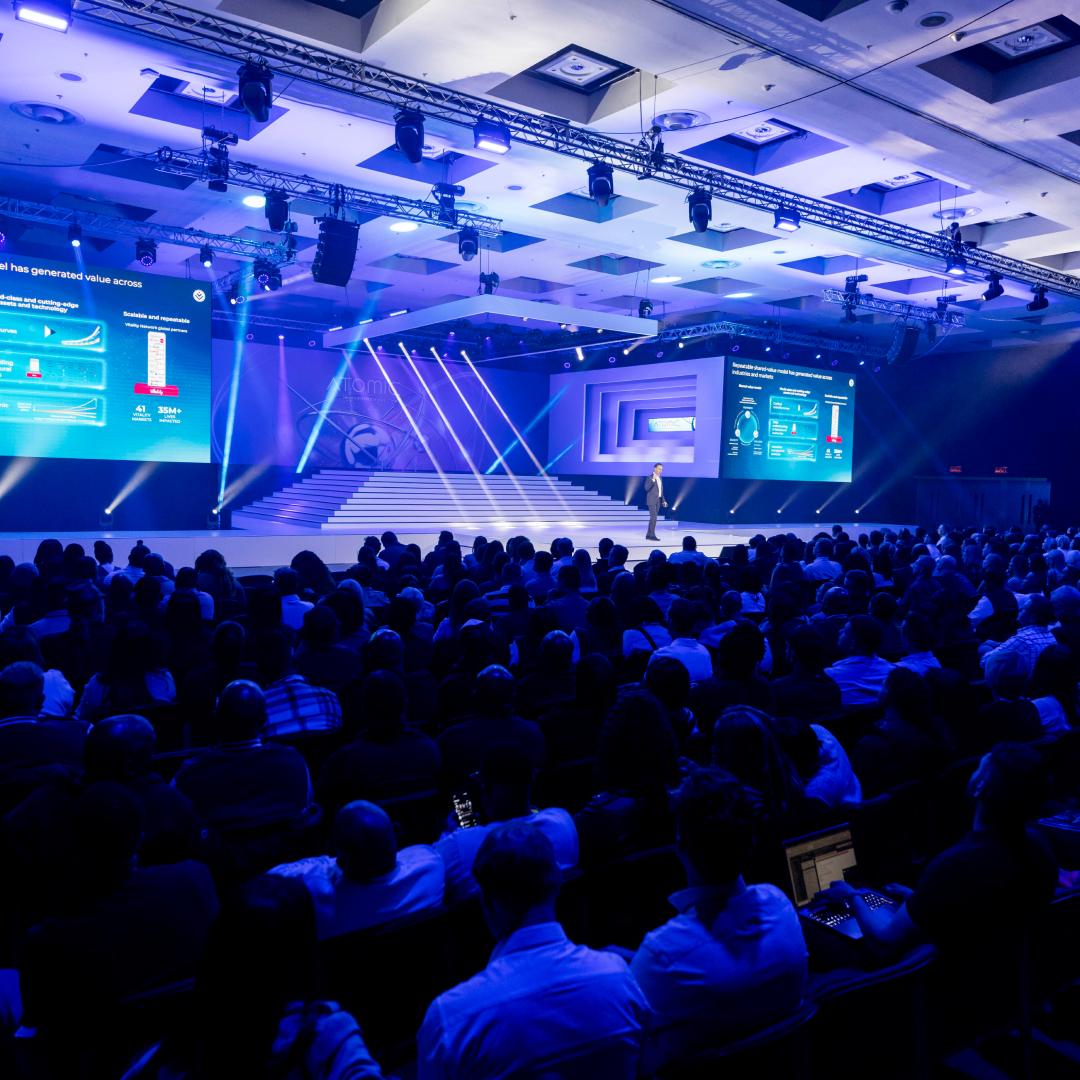
Events move money, so budgeting for them should be strategic rather than reactive, especially for high-stakes events like large-format conference planning or brand-defining product launches.
Start with cost categories that actually mean something
If you want clarity, structure your event budget into five core categories:
- Venue and infrastructure: venue hire, staging, AV, power, furniture
- Production and technical: lighting, sound, LED screens, streaming
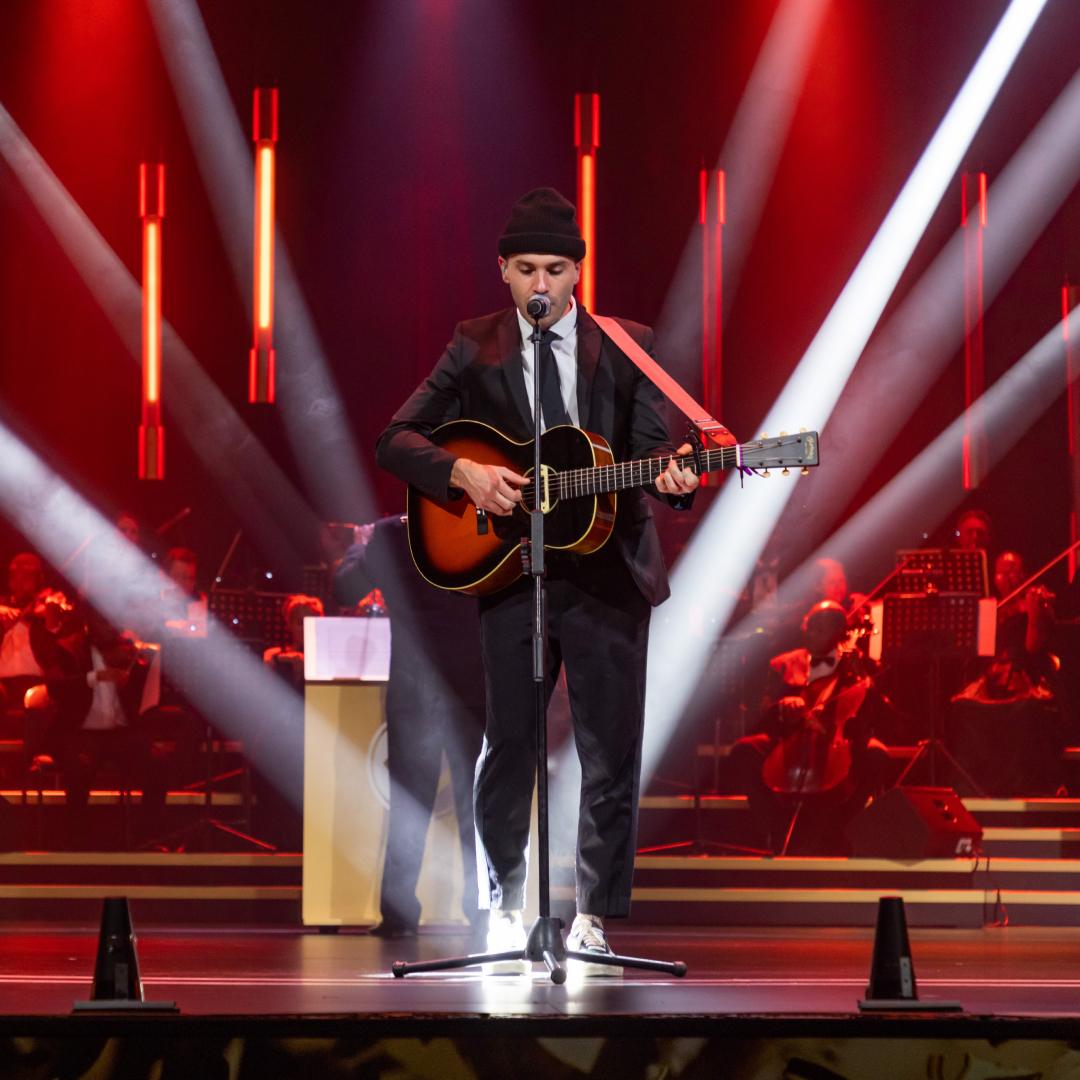
- People: crew, security, hosts, live entertainment
- Guest experience: catering, branding, décor, gifting
- Contingency: typically 10-15% of your budget, depending on complexity
Notice what’s missing? “Miscellaneous”. That’s where budgets can unravel.
Professional event production teams allocate costs like pros. They understand where pricing fluctuates (load-in time, rigging requirements, power access) and where hidden costs creep in (overtime, late supplier confirmations, tech upgrades).
Creating a robust event budget means seeing the domino effect of each decision.
How to cut costs without making the event feel cheaper
Just because you’re cutting costs doesn’t mean you should cut corners. Instead, work to get rid of inefficiencies. Here’s where you can trim intelligently:
- Rethink venue strategy
Premium doesn’t always mean five-star. Off-peak days, shorter hire windows or multi-purpose venues can reduce venue and staffing costs.
- Design with production in mind
Complex staging designs may look impressive on Pinterest, but they look expensive on invoices. Smart set design uses modular elements that can deliver impact without elaborate custom builds.
- Consolidate suppliers
Fewer suppliers often mean stronger negotiating power and lower logistics costs. A production house that handles in-house staging, AV and creative reduces duplication and markup layers.
- Control scope creep
Last-minute additions inflate budgets faster than anything else. Tight briefing upfront can save thousands later.
- Invest in pre-production
This sounds counterintuitive because planning feels like overhead. But in reality, it prevents costly on-site fixes. Think of it as insurance for your event budget.
- Make up your mind
The part that many overlook is that sometimes the most expensive decision is indecision. Late approvals compress timelines, which increases costs.
How to create an event budget for hybrid and digital events
Digital and hybrid formats aren’t automatically cheaper; they’re just different because technology plays a central role in budgeting.
When creating an event budget for hybrid formats, remember to account for:
- Streaming platforms
- On-site internet infrastructure
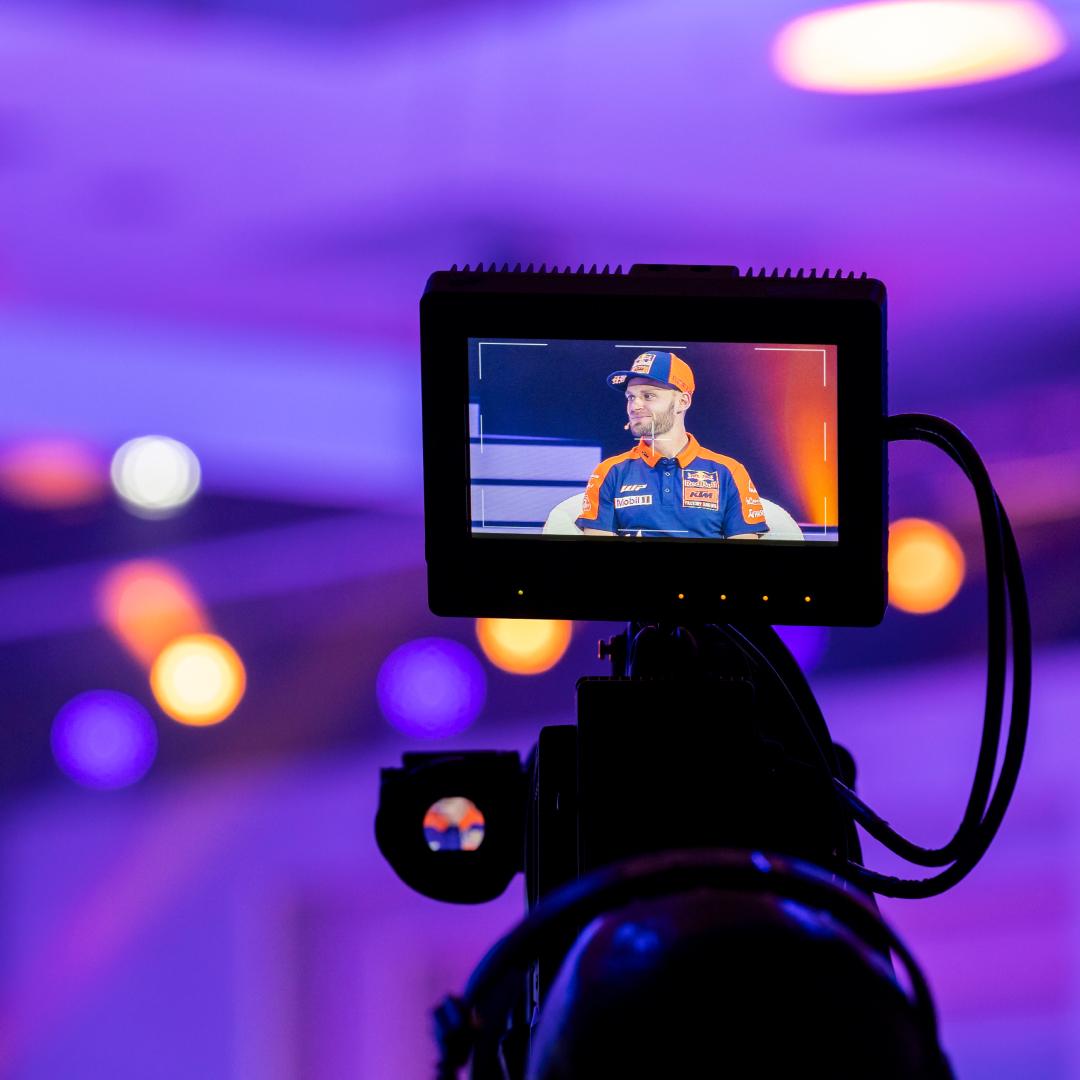
- Broadcast-quality cameras and audio
- Technical rehearsal time
- Content capture for post-event marketing
The cost advantage comes from scale and repurposing. A hybrid event allows you to extend reach, collect data and reuse content. That’s ROI layered over time.
Understanding the psychology of perceived value
What if we told you that smart budgeting can still feel luxurious? That how an event makes guests feel is what sticks.
Perceived value is shaped by:
- Flow (no awkward waiting)
- Clarity (clear signage and communication)
- Comfort (temperature, acoustics, seating)
- Personal touches (relevant content, thoughtful details)
You can spend heavily on décor and still miss the mark if the logistics frustrate your attendees. That’s why budget allocation should follow the human experience.
How to cut event costs through data and measurement
If you want to create an event budget that improves year-on-year, you need to measure performance rigorously.
Track:
- Cost per attendee
- Cost per lead
- Engagement time
- Conversion post-event
- Supplier efficiency
Treat events as measurable business tools and budget conversations go from “How much did this cost?” to “What did this generate?” This reframing protects future budgets, because finance teams appreciate data-backed ROI. What’s more, it creates leverage for better negotiations with suppliers.
How to create an event budget with a contingency plan
There’s a fine line between pessimism and professionalism. Contingency lives with the latter. After all, weather shifts, power trips and key speakers miss flights.
Allocate contingency based on complexity, for example:
- 10% for controlled indoor corporate events
- 15%+ for outdoor, multi-supplier or technically intricate events
In South Africa, especially, environmental variables (load shedding, water woes, weather patterns, logistics challenges) make contingency planning essential rather than optional.
How to cut event costs by partnering with the right production team
Experienced event production partners cut costs before you even see them.
They:
- Flag unnecessary upgrades
- Negotiate better supplier rates
- Design within structural constraints
- Optimise build and breakdown schedules
- Prevent duplication of equipment
The savings rarely appear as dramatic line-item reductions, but they are noticeable in the smooth execution and fewer emergency expenses. That’s the difference between running an event and engineering one.
How to create an event budget that delivers ROI
Cutting event costs and creating an event budget doesn’t mean shrinking your ambition. You just need to align speed with strategy. Remember that a strong event budget:
- Starts with outcomes
- Allocates intelligently
- Measures performance
- Plans for risk
- Protects the experience quality
When budgets are built meticulously, events become assets rather than expenses.
At 360 Degrees Production House, we approach event production as a creative craft and a financial discipline. Because impressive events are remembered, and profitable ones are repeated. That’s the kind of ROI worth budgeting for.