


Knowing how to boost attendance at internal events separates a well-meaning calendar invite from a room that fills up with real, live human beings. You already know that internal audiences are the toughest crowd in any building. They know the brand, they’ve seen the slide template before and they have an inbox three metres away, making a very persuasive counter-offer.
Win them over and you have living proof that your culture is working. Lose them and you have a room with the acoustics of an empty library. Turnout, happily, is rarely about luck. It comes down to a handful of decisions made before the doors open.
Why attendance at internal events is the much harder game
External events compete with other events, but internal events compete with the job itself. When an employee weighs up your town hall against a looming deadline, the deadline usually has a manager attached to it, while your event has a sandwich platter. That’s the real contest.
There’s also the mandatory-fun problem. The moment an internal event feels compulsory, attendance becomes compliance, and compliance arrives late, sits at the back and leaves at the first socially acceptable moment. Getting people to want to be there is a different project altogether.
When you recognise this, you’re able to change how the whole event is planned. Every choice that follows, from the date to the agenda to the way the invitation is written, is an argument for why this hour is worth more than whatever the attendee would otherwise be doing. Make that argument well and the room fills itself.
Internal event attendance needs “good” reasons to show up
Most poorly attended internal events fail a simple test: the invitee couldn’t explain, in one sentence, why the event was happening. If the purpose is fuzzy to the planner, it’s invisible to everyone else.
The starting position isn’t generous either. Gallup’s State of the Global Workplace research puts global employee engagement at around 20%, which means most of the people receiving your invitation aren’t predisposed to give an internal event the benefit of the doubt. The event has to earn the slot.
Before anything else, define what the event is for and what an attendee gains from the 20, 30, 45 or 60 minutes of their working day. Is it…
- Recognition?
- Clarity on strategy?
- A skill they can try on Monday morning?
- Access to leaders they normally can’t get a meeting with?
The same discipline that makes a large-scale conference worth attending applies to a Tuesday-morning internal session. Value is value, regardless of who’s in the room.
Hot tip: Write the attendee’s takeaway before you write the agenda. If you can’t finish the sentence “you should come because…”, the event isn’t ready for launch.
Treat internal events with external-grade production value
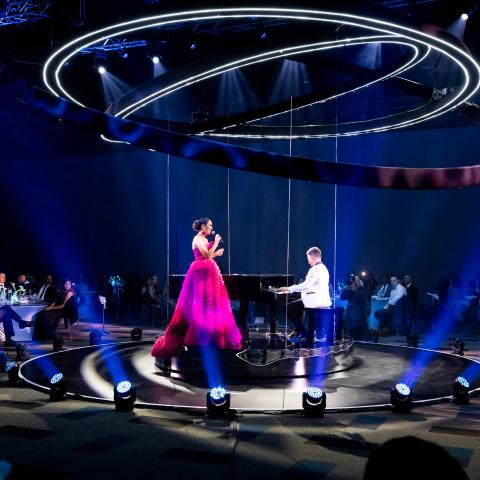
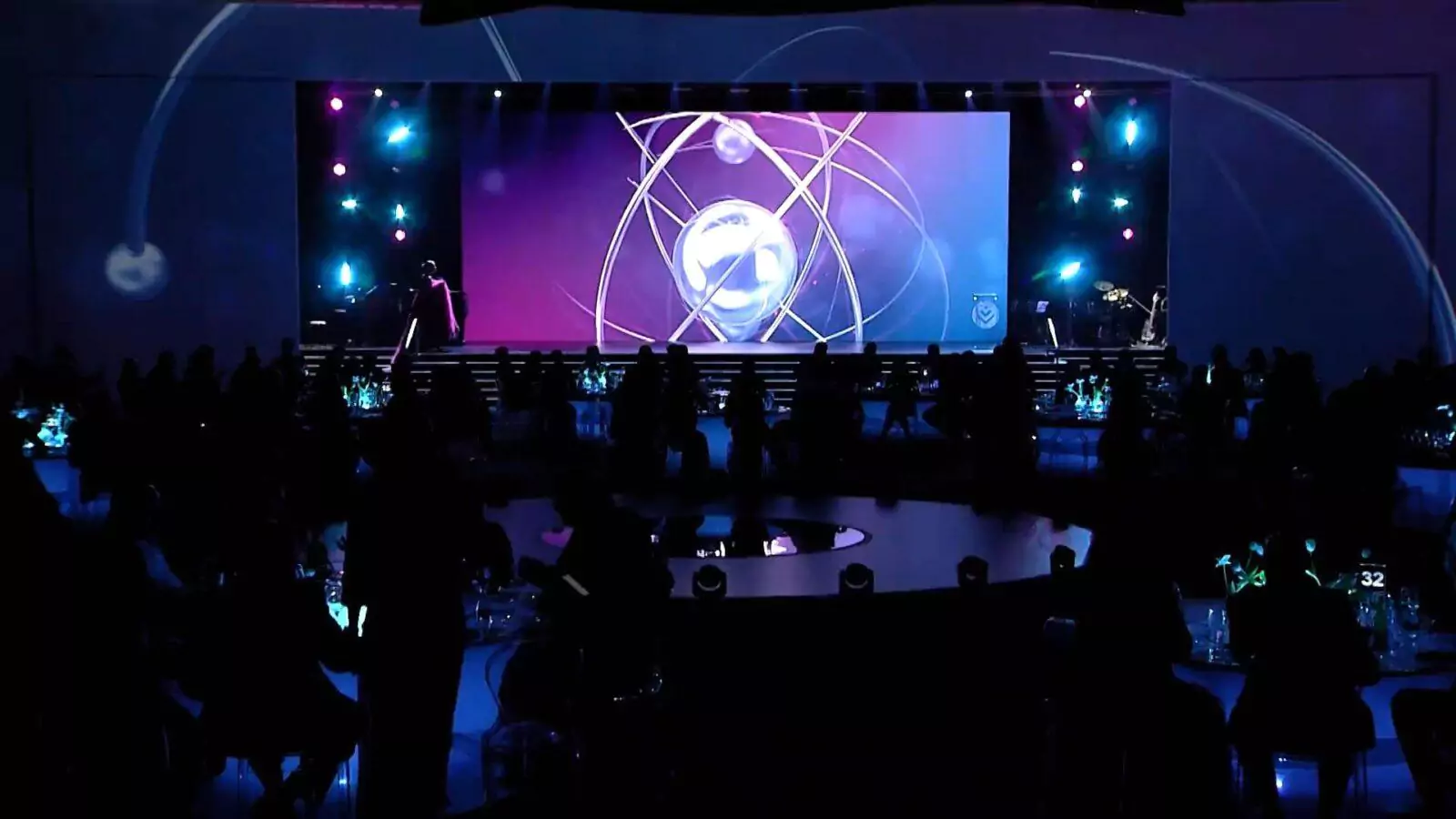
Here’s an uncomfortable truth about internal audiences: they are brand-literate critics. They’ve sat through the company’s product launches, they know there’s budget for better-quality coffee and they can spot a recycled banner from across a room. An internal event that looks like an afterthought tells the room how much the moment matters and people calibrate their future attendance accordingly.
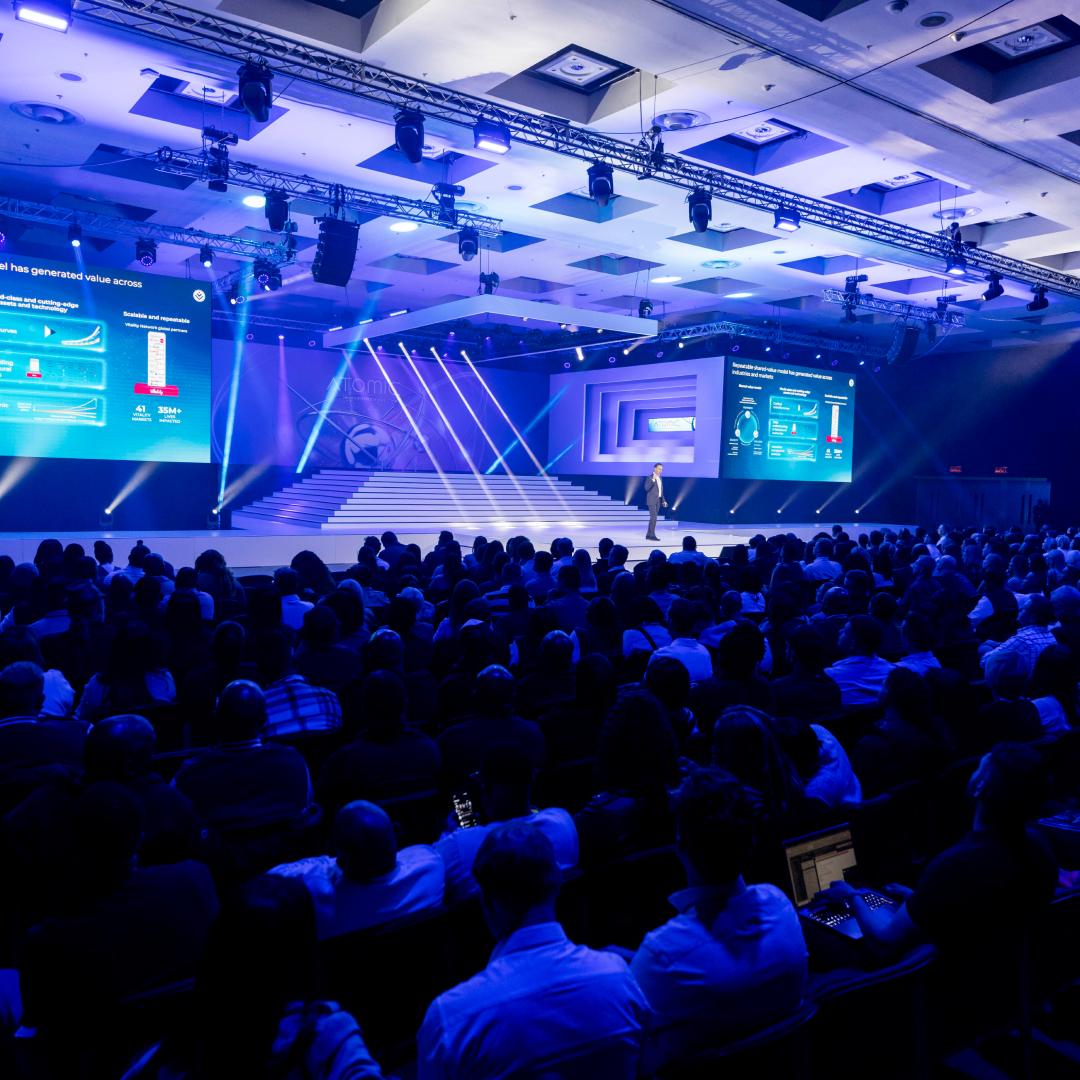
This isn’t necessarily an argument for big budgets, but for intention. Considered décor and styling, lighting and sound that work the first time, and a room arranged for the experience they’ll have, rather than the chairs you happened to find in the storeroom… People give their attention to spaces that have been given attention.
Hot tip: Audit your last internal event through a guest’s eyes. If the honest answer to “would we run it this way for a paying client” is no, you may have found the root of your attendance problem.
Design the internal event agenda for humans, not schedule
Attendance at the next internal event is based on the quality of the last one. A reputation for tedious, overstuffed sessions travels faster than any invitation and can suppress turnout long before a date is even set.
Build agendas that respect attention spans. Vary the format so the room isn’t watching the same lectern for 90 minutes. Leave room for questions, interaction and the informal conversations that people value. A shorter, sharper event that ends on time earns more goodwill and more future attendance than a comprehensive one that runs over by half an hour.
This isn’t a soft preference. Microsoft’s 2025 Work Trend Index research describes an “infinite workday” in which the average Microsoft 365 user is interrupted roughly every two minutes of the core working day – pulled away by an email, a chat ping or a meeting invite. An internal event that ignores that fatigue is starting the attendance contest at a disadvantage.
Hot tip: Cut the agenda by 20% before you publish it. The version that feels slightly too short on paper often feels right in the room.
Timing & logistics: the unglamorous engine of internal event turnout
Plenty of well-designed internal events are killed by the calendar. Scheduling against a reporting deadline, a payroll cut-off or the Friday-afternoon exodus guarantees a thin turnout, regardless of how strong the content is.
Map the organisational calendar before locking in a date. Make the location easy to find and the start time realistic for anyone travelling between sites. If the event is hybrid, the remote experience needs to be a real seat at the table, with someone briefed to bring those attendees into the conversation rather than leaving them as muted rectangles.
Hot tip: Send one calendar invite with everything inside it, like location, parking, agenda and dial-in details. An attendee hunting through three separate emails for a meeting link is one who may decide not to bother.
Leadership presence usually sets the internal attendance ceiling
Employees read the room and the most telling thing is which leaders are standing in it. When senior people treat an internal event as optional, everyone else get that memo instantly. But when they arrive, stay and engage, attendees follow their example.
It helps to think of leadership presence as the anchor tenant in a shopping centre. Secure a visible, committed anchor, and the rest of the space fills in around it. Leave the anchor unit empty and the whole development feels desolate.
Hot tip: Lock in visible leadership commitment before the invitations go out, and give those leaders something to do rather than a reserved chair to occupy.
Market your internal event the way you would a public one
Internal communication often gets a single, bland email and a calendar block, after which everyone wonders why the turnout was disappointing. A public-facing event would never be promoted so stingily.
Build a small campaign instead. Tease the event, tell people what they’ll miss by skipping it and use the channels your teams actually read – whether it’s the intranet, a messaging platform or a manager passing word.
Social proof works internally too: when people hear that respected colleagues and peers are attending, the event can start to feel like the place to be.
Hot tip: Treat the invitation as the event’s first impression. A flat invite sets a flat expectation, while a considered invite builds anticipation.
Measure who showed up to the internal event, then act on it
Improving internal turnout is a habit rather than a one-off win, and habits need data.
Track the real numbers:
- Registered versus attended
- Which departments rocked up
- Who left early
- Which formats consistently fill the room
Guesswork is how the same mistake gets repeated next quarter. But a short debrief after each event turns that data into next time’s strategy. Patterns tend to surface quickly once you look, like:
- The time slot that always underperforms
- The topic that reliably packs the room
- The venue that half the building seems to avoid
Each insight makes the following invitation easier to plan and easier to accept.
Hot tip: Run a five-minute attendance review after every internal event. It costs almost nothing and compounds, over a year, into a solid turnout strategy.
The smartest way to boost attendance at internal events
Strong internal events aren’t a matter of luck, but a product of clear purpose, genuine production value, a humane agenda, sensible logistics, visible leadership and proper internal marketing, applied consistently until a full room becomes the norm rather than the exception.
This is where a professional production partner earns its keep. At 360 Degrees Production House, we’ve built our name on events of every format and scale, bringing the same rigour to a quarterly town hall as to a flagship conference. The audience deserves it and the results justify it.