
 HOW TO
How to be funny at a corporate event (without getting fired)
We can erect another Leonardo skyscraper with the amount of briefs we get asking us to “push the envelope”, “surprise us” or “give us something out there”.
Then you pitch something really out there and the colour drains from their faces.
Here’s what nobody puts in the brief: many, if not most, organisations don’t want different… And the first casualty of the gap is almost always humour. Which is a shame, because humour is the stickiest tool in the box. People remember the laugh long after they’ve forgotten the fourth slide on synergy.
The problem isn’t actually that humour doesn’t work, but that it carries risk. Here’s how to use humour without getting cancelled:

Know the no-go zones
Some subjects don’t belong anywhere near a corporate stage, like politics, religion, sexual orientation and gender identity. Oh, and race and ethnicity. Also, anything punching down at a person’s age, body, ability or accent. And, of course, jokes that make one part of the room the target. If you’re unsure if it crosses the line, leave it.
Punch up, or punch at yourself
The safest target in the room is you or your brand. Self-aware humour, the company joshing about its own quirks, jargon or 47-tab spreadsheets builds warmth and doesn’t alienate. Nobody’s offended when you’re the punchline.
Make it specific and tone down the edge
“Edgy” is where people reach for taboo because they’ve mistaken shock for wit. The funniest material is typically the most specific, like the shared in-joke about the Monday stand-up or the acronym no-one can decode. Recognition beats provocation.
Hire people who do this for a living
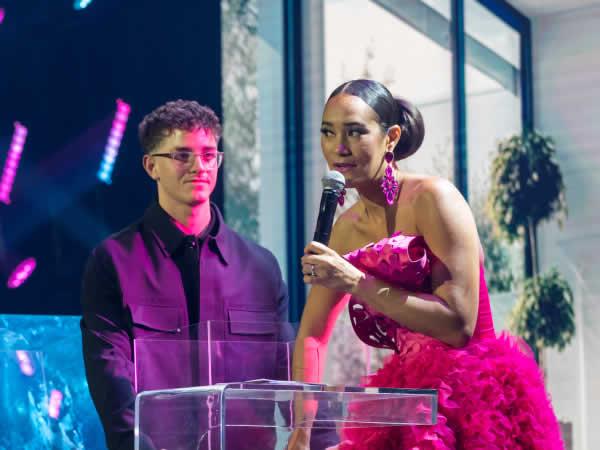
A great MC, comedian or scriptwriter knows exactly where the line sits and how to dance right up to it without stepping over it. This is a skill, though, and trying to be funny is not the same as being funny.
Get the honest brief early
If the client says “be bold” but means “same-same-but-different”, try to ferret it out in the first meeting. Ask what’s genuinely off the table, who’s in the audience and what will make the CEO wince. The clearer the fence, the freer you are to play inside it.
Done well, humour won’t get anyone fired. Stop flinching and find the people who know how to do it well.
#RewindRewireReveal
Want 360° event advice? Contact us for more.
EYES ON
Rebirth is on the menu
Let’s be honest, Riebeek Kasteel is not the first place you’d go looking for Japanese cuisine. Or it wasn’t, until now.
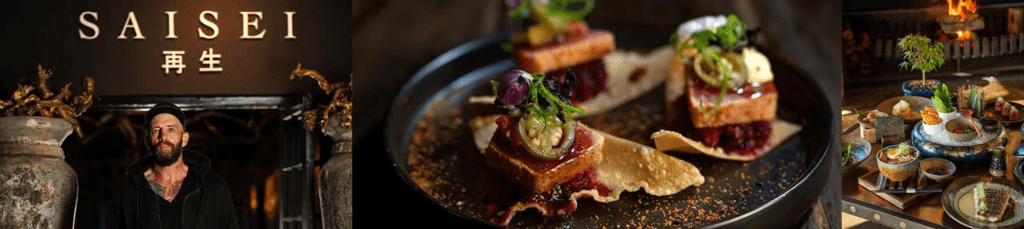
SAISEI (再生, Japanese for “rebirth”) is Chef Cheyne Morrisby’s newest thing of beauty, drawing from the same well as his Cape Town restaurants Cheyne’s, Shio and HIRO Izakaya.
Expect Japanese small plates cooked over fire, and a tasting menu that works its way from the sea to the land to the earth before finishing somewhere sweet. Even better is its versatility: you can eat at the bar, spill into the courtyard or settle in the dining room.
Of all places, you’ll find it in the dorpie better known for olives and shiraz. Book ahead, and soon.
BY THE WAY
This month’s riddle:
They don’t attend the event, but they know exactly where the bottleneck will form. They don’t build the stage, but they’ve already tested six versions of it. What are they?
Digital twin event models. They’re a 3D, interactive replica of a venue or event. Same dimensions, same layout, same everything. Except this version lives in software, where planners can move things around, simulate guest flow, test emergency exits, model AV placement and time the run before anyone lays a cable.

Manufacturers and city planners have used digital twins for years, and events are finally catching up. Major stadiums and Olympic organisers are already on board, so, naturally, corporate conferences and festivals are next.
Because rehearsing a disaster on a laptop beats rehearsing one on the day.