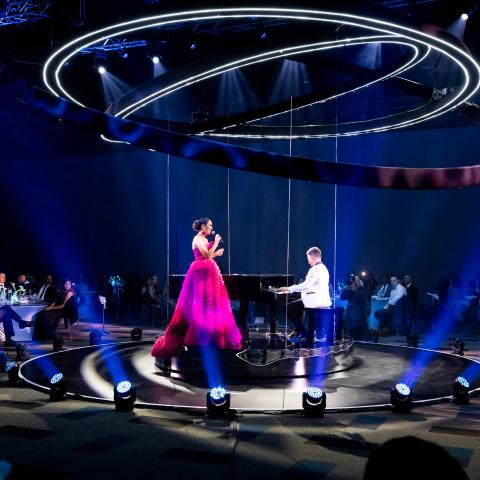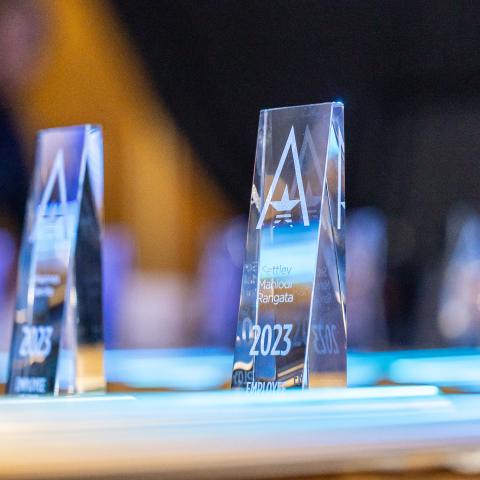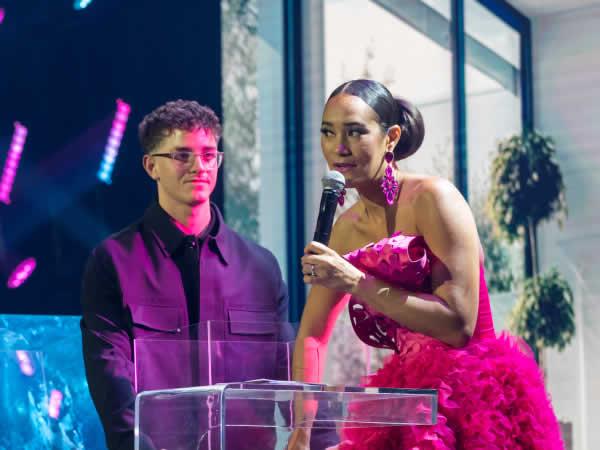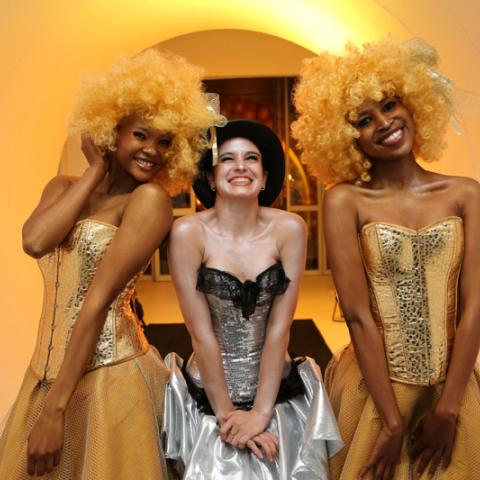
 Strong event theme ideas establish a framework for the entire event experience. They steer creative choices, influence guest behaviour and shape how attendees remember the event long after the venue lights dim. When thoughtfully developed, event design ideas turn that theme into a vibe that supports storytelling, interaction and engagement.
Themes influence messaging, brand perception and audience participation, while clear creative direction ensures that every element supports the event’s purpose, from staging to lighting.
Event theme ideas begin with narrative clarity
Effective event theme ideas arise from a well-defined story. Each event conveys something: a new product launch, a strategic shift, a company milestone or an industry dialogue. The theme provides that story with a visual and experiential framework.
A narrative-led theme helps organisers to make coherent design decisions. When the story is clear, elements like invitations, stage graphics, room layouts and interactive features follow the same direction.
For example, a conference built around exploration can incorporate design references that reflect discovery. Visual motifs, session titles, signage and interactive displays can reflect the language and imagery of journeys and breakthroughs.
As a result, guests experience consistency that reinforces the event message throughout the programme.
In this context, event design ideas serve as storytelling tools. Each visual element supports the theme and enhances the narrative structure of the event.
Event design ideas should guide the guest journey
Professional event planners analyse how guests experience a venue from arrival to departure. Effective event design ideas support each phase of this journey, which typically unfolds in stages:
· Arrival: This shapes first impressions.
· Orientation: Guests understand where to go and what to expect
· Engagement: Sessions, networking and activities take place
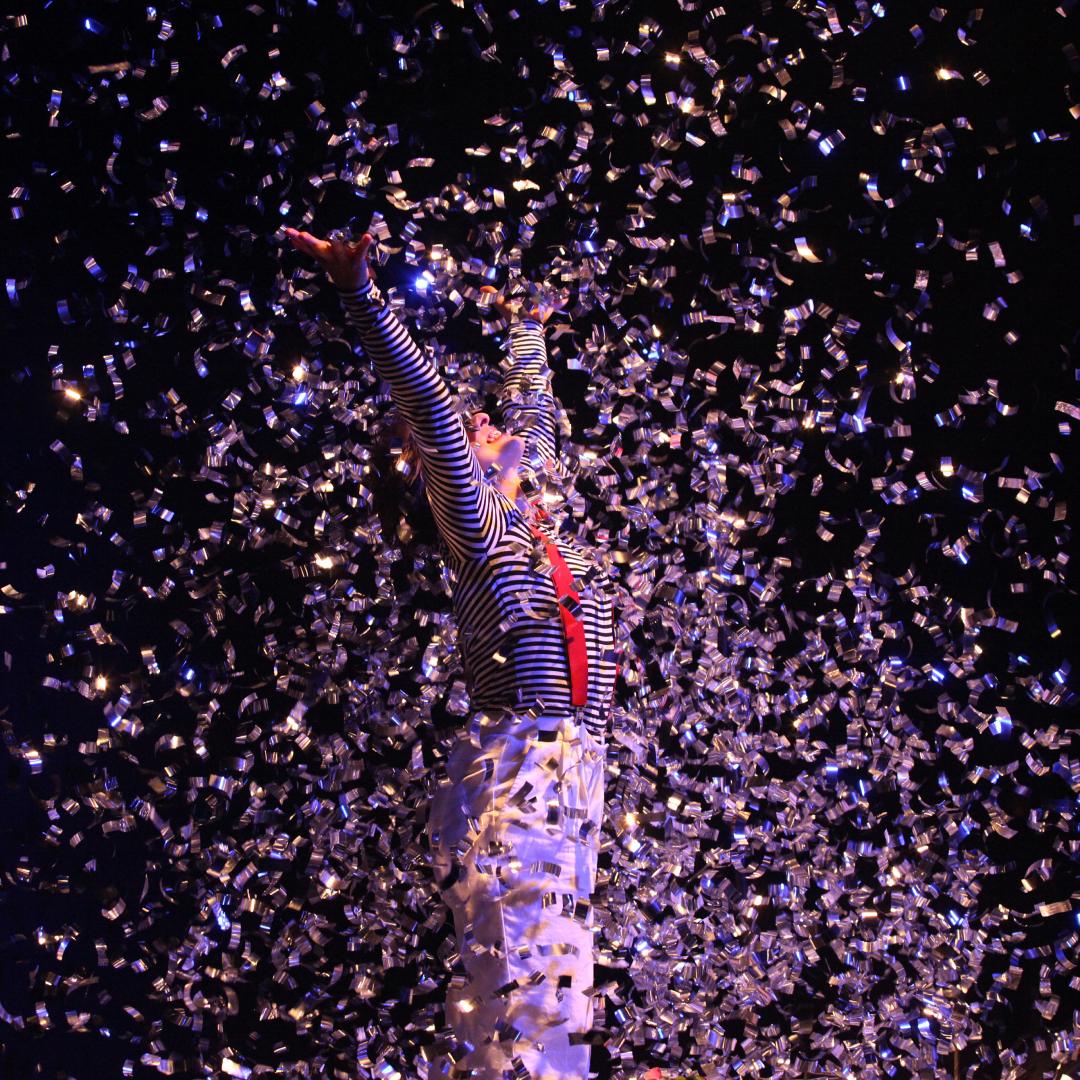
· Closure: The event concludes with memorable moments
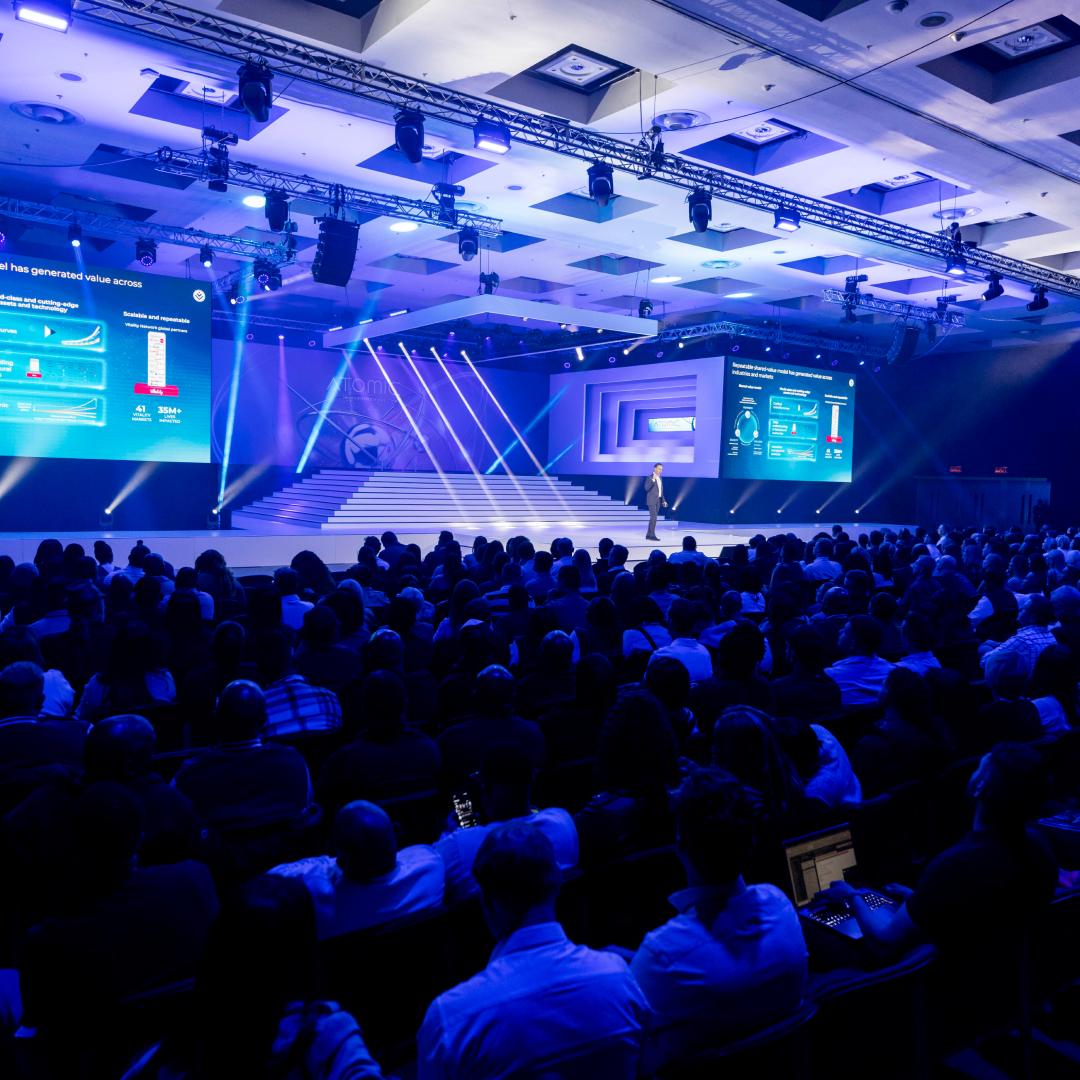
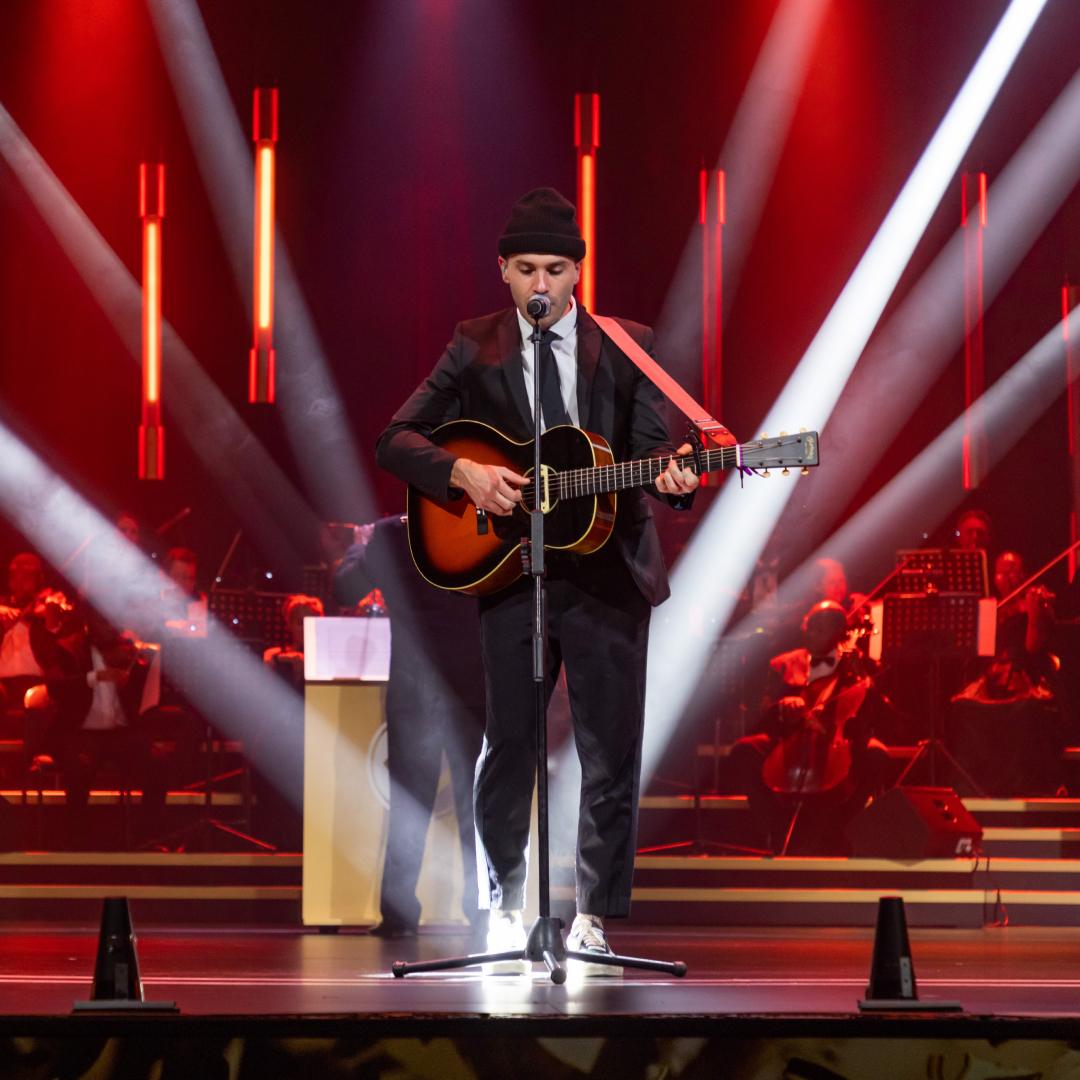
Design decisions affect each phase. Entrance installations can create anticipation as guests arrive. Wayfinding elements guide movement between areas. Lighting, sound and stage design help sustain attention during presentations. And closing moments often feature visual or emotional highlights that iterate the central theme.
When event theme ideas inform these stages, everything feels organised and purposeful. Guests are able to flow smoothly through the space while absorbing the message that organisers intend to convey.
Multi-sensory event design ideas strengthen memory
Many modern event design ideas involve more than visual storytelling, so event designers increasingly incorporate multiple sensory elements to craft immersive experiences.
Sound, lighting, texture and spatial arrangement all contribute to the atmosphere, influencing how people perceive a space and how long they remember the event.
For example, a technology event may feature dynamic lighting sequences during keynote sessions, digital projections across architectural surfaces and ambient soundscapes during networking breaks. A sustainability-focused gathering may use natural materials, plant installations and daylight-oriented lighting design.
When sensory cues match the event theme ideas, the entire venue supports the same story.
Event theme ideas inspired by culture and place
Location is playing an increasingly important role in event theme ideas. Many organisers incorporate local culture, craft and landscape references into the design language of their events.
Events in South Africa often draw inspiration from regional materials, artists and culinary traditions. These elements contribute authenticity and foster a sense of place.
Design approaches may include:
- · Stage elements inspired by regional architecture
- · Local craft installations integrated into décor
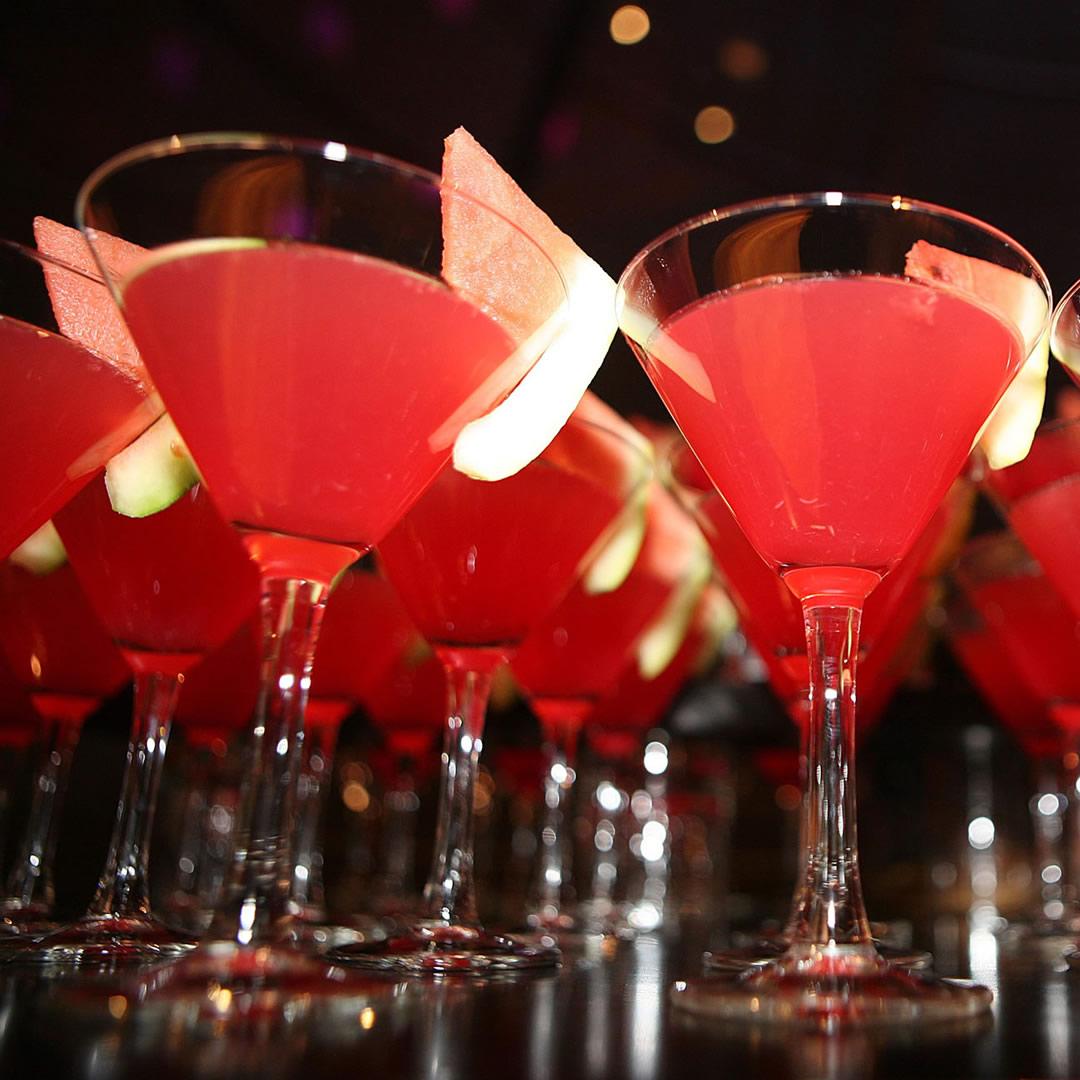
- · Food experiences reflecting regional flavours
- · Indigenous plants used in floral arrangements
When event design ideas mirror the cultural context of the location, guests perceive the event as part of it.
Interactive event design ideas encourage participation
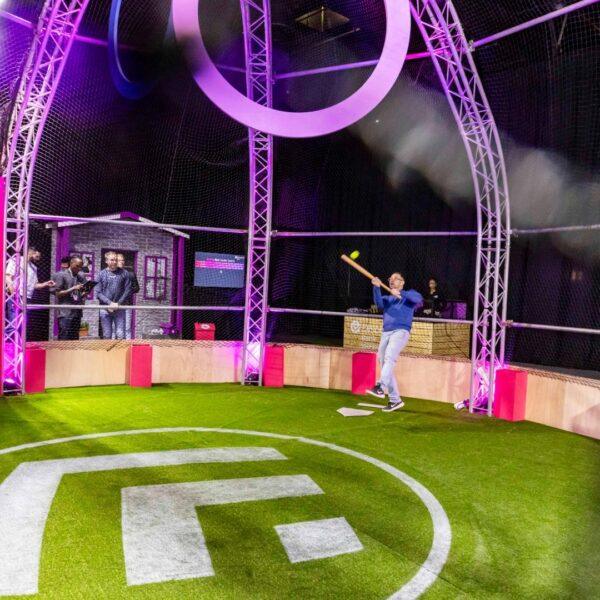
Audience participation has become a key element of many contemporary event themes. Design elements often encourage guests to engage in the experience.
Participation can take many forms:
- · Interactive digital installations
- · Collaborative art displays that evolve during the event
- · Audience polling integrated into sessions
- Experience zones where guests explore products or ideas
- · Gamified activities that reward participation
These features encourage guests to explore the venue, interact with installations and connect with the theme in personal ways.
Participation also supports networking and discussion. Shared experiences create natural conversation-starters among attendees, strengthening the overall atmosphere of the event.
When event theme ideas extend beyond the venue
A well-chosen theme often begins to influence the audience before the event occurs. Invitations, digital communications and pre-event content introduce the visual language and narrative early.
This preparation builds anticipation and familiarity. Guests recognise the theme on arrival at the venue because they’ve previously encountered elements of it through communications.
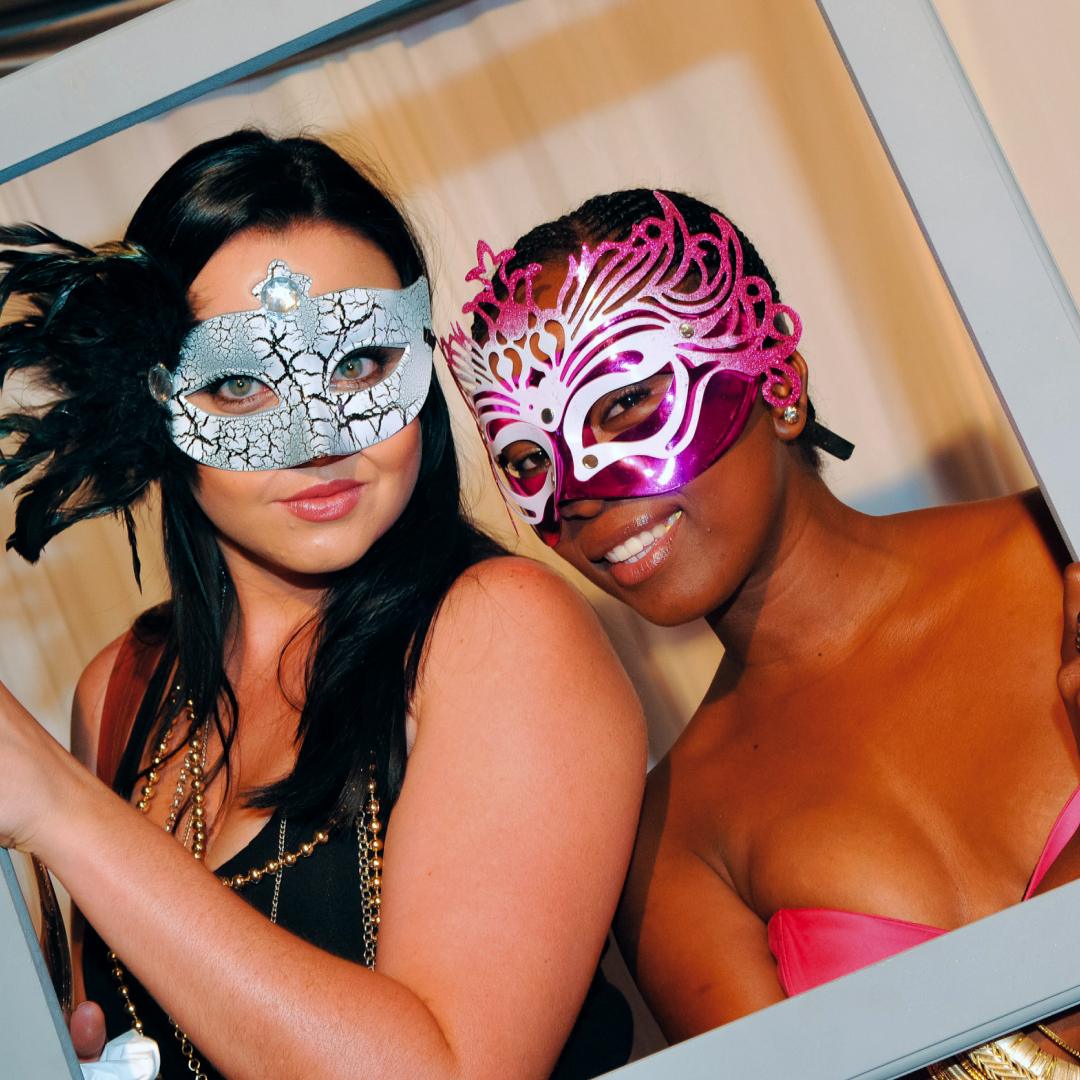
Social media often amplifies distinctive event design ideas. Unique installations, stage designs or interactive elements frequently appear in attendee photos and videos shared online. These posts extend the event’s reach and reinforce its identity.
From a marketing perspective, the theme becomes a recognisable signature for the event.
Practical considerations shape event design ideas
Creative concepts must also function within operational constraints. Professional event production teams evaluate event design ideas alongside logistical requirements, including:
- · Venue size and structural limitations
- · Load-in and build schedules
- · Technical requirements for lighting, staging and audiovisual equipment
- · Guest capacity and safety regulations
Experienced production teams align creative concepts with practical requirements. Their role involves translating event theme ideas into feasible designs that preserve visual impact while ensuring operational efficiency.
This process necessitates collaboration among designers, technicians, planners and venue teams.
Technology is expanding event design ideas
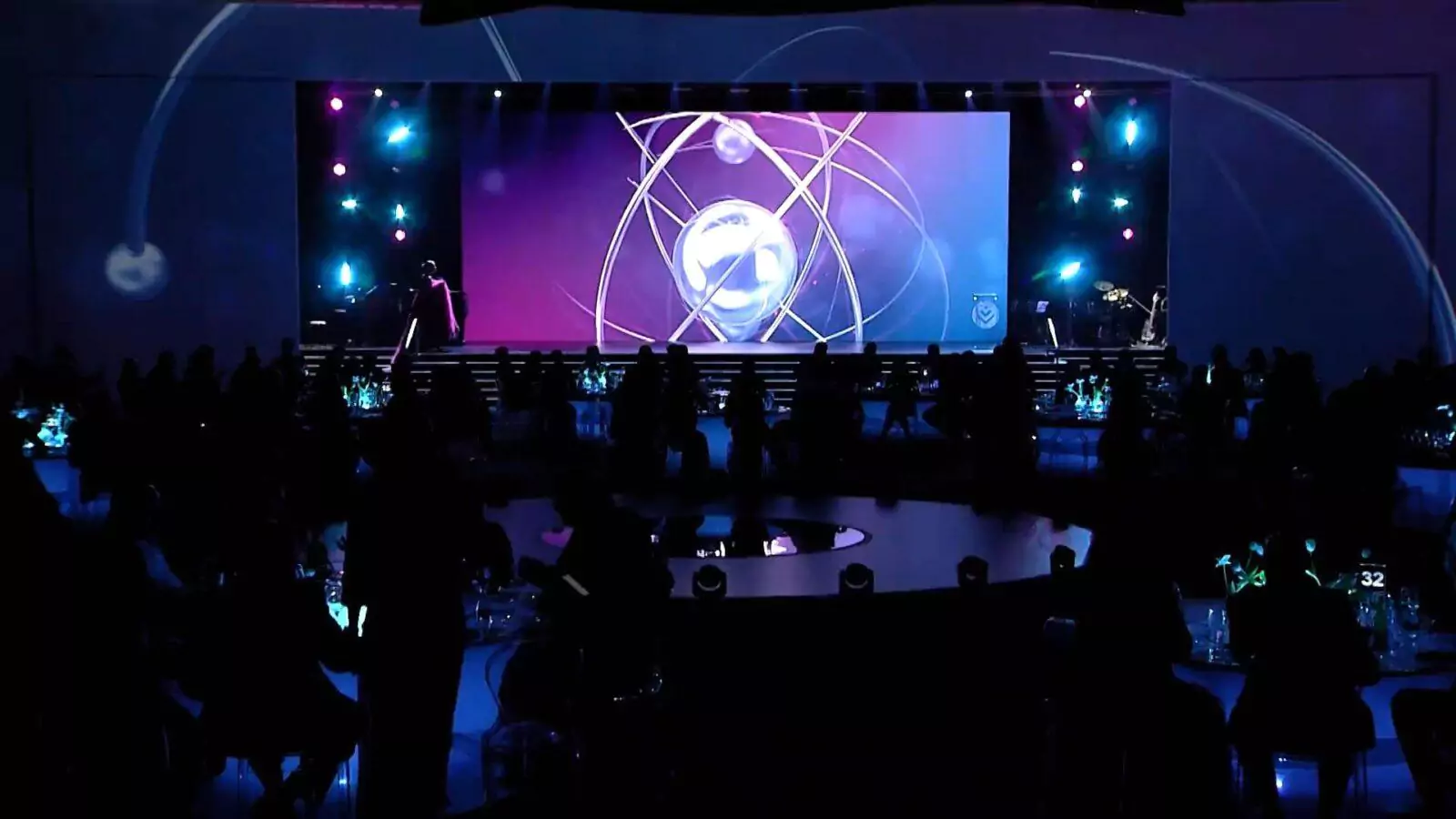
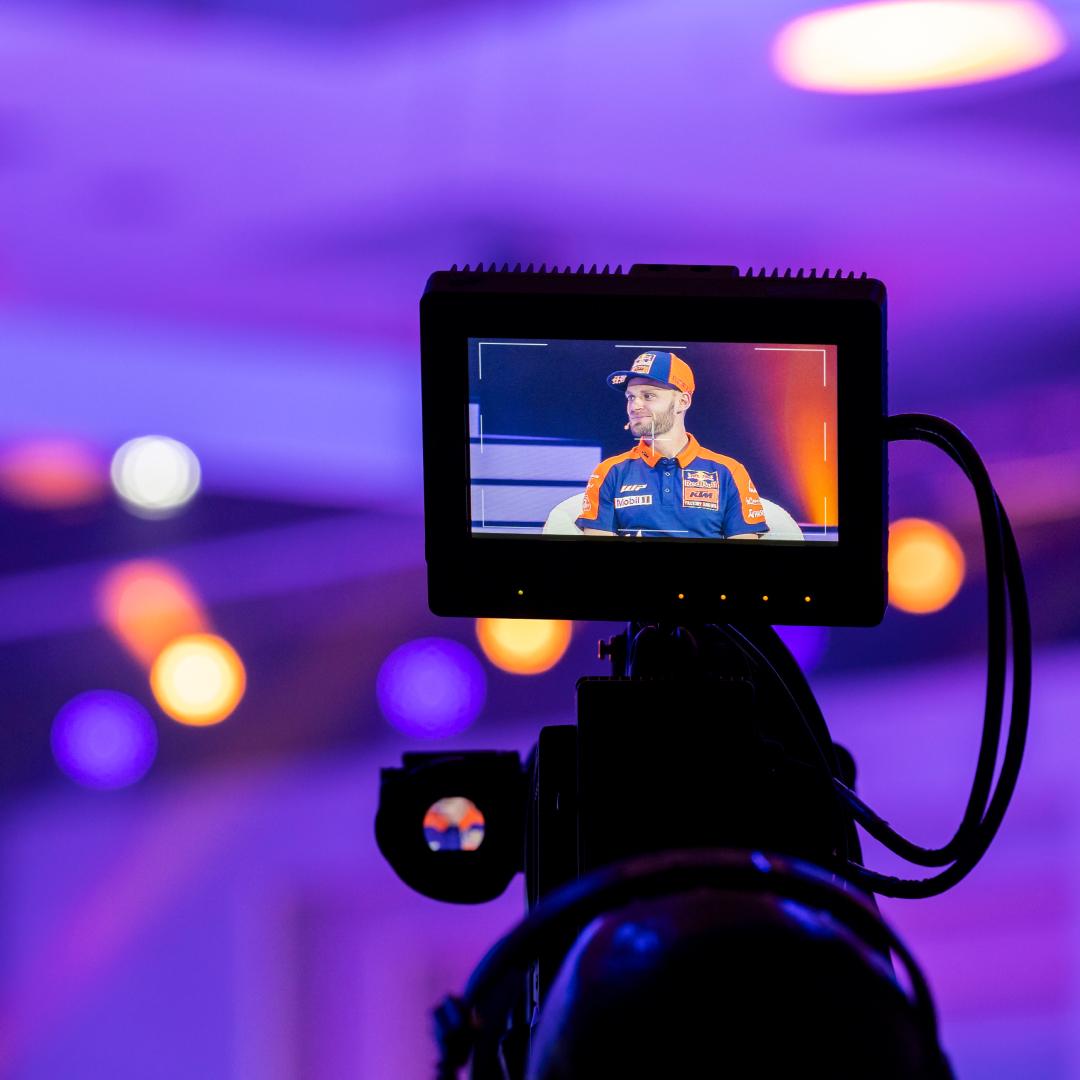
Technological advancements continue to shape the evolution of event design concepts. Projection mapping, LED displays and interactive digital surfaces enable designers to transform spaces rapidly.
Digital elements can evolve during the event programme. Stage backdrops can change between sessions, lighting settings can adapt to keynote themes and visual content can respond to audience activity.
These tools broaden the options for event theme ideas. A single venue can display multiple visuals during an event without the need for physical set changes.
As technology advances, creative teams continue to discover ways to blend digital design with physical staging and décor.
The value of professional event production
Specialised production teams are essential in creating cohesive experiences. Creative design, technical production, logistics and storytelling must work together for the event to succeed.
Strong event theme ideas set the creative direction. Thoughtful event design ideas turn that direction into a physical environment. Skilled production teams organise the technical and operational elements needed to ensure a smooth experience.
The integration ensures that the event’s message, atmosphere and practical execution support the same goal.
At 360 Degrees Production House, we transform event theme ideas into practical event design ideas that work within real event venues and programmes.
The result is an event that communicates clearly, supports the programme and leaves a lasting impression on the audience.